You run your own business and have no employer benefits.
Why it fits: An individual plan gives you and your family coverage for drugs, dental and vision, and premiums may be deductible for some business owners.
Coverage for prescriptions, dental care and more when you do not have a workplace plan.
Individual health and dental insurance helps pay for costs your provincial health plan does not cover, such as prescription drugs, dental care, vision care and paramedical services. It is ideal for the self-employed, early retirees and anyone leaving a group plan.
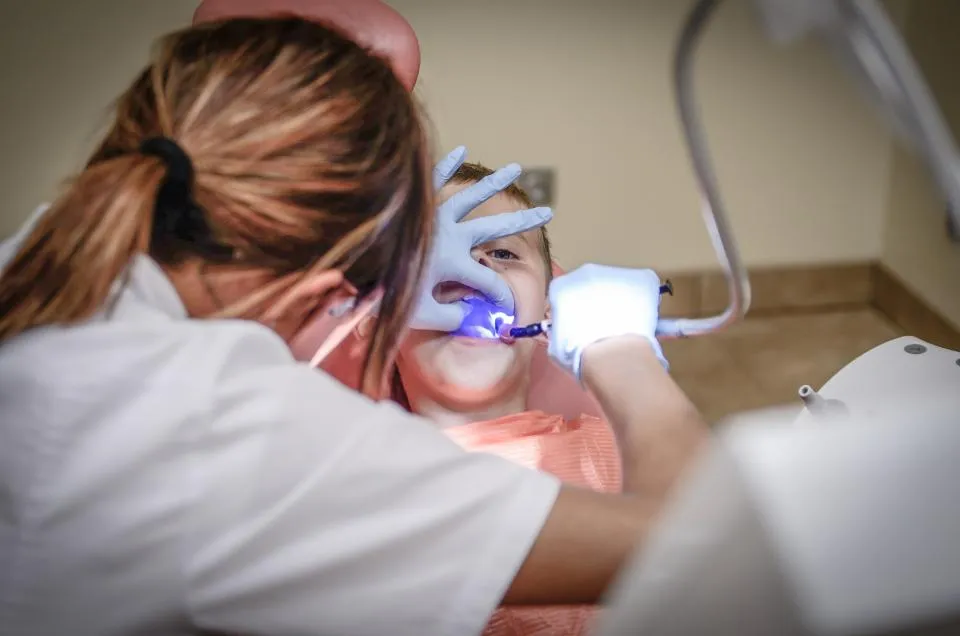
Your provincial health plan covers doctor visits and hospital stays, but many everyday health costs are not included. Individual health and dental insurance helps pay for prescription drugs, dental care, vision care and paramedical services when you do not have a workplace benefits plan.
It is a smart choice for self-employed people, early retirees, and anyone between jobs or leaving a company with group benefits.
There are three main types of individual plans in Canada. A guaranteed-issue plan has no medical questions, so anyone can qualify. An underwritten plan asks about your health and may offer richer coverage. A conversion plan lets you move from a group plan to an individual plan without medical questions, as long as you apply within the deadline after leaving.
When comparing health and dental plans, look at:
We look at what you spend on prescriptions, dental care, glasses and therapies like physiotherapy, and what your provincial plan already covers.
Pick a guaranteed-issue plan with no medical questions, an underwritten plan with richer coverage, or a conversion plan if you are leaving a group plan.
You pay a regular premium for yourself and any family members you add to the plan.
When you visit a dentist, pharmacy or therapist, you submit your receipts and the plan pays back eligible costs up to its limits.
Helps with the cost of medications that your provincial plan may not fully cover.
Covers routine cleanings and checkups, with many plans also helping with fillings and other basic work.
Many plans help pay for eye exams, glasses and contact lenses.
Get help paying for physiotherapy, massage therapy, chiropractic care and counselling.
Some plans include or let you add emergency medical coverage for trips outside your province or Canada.
An individual plan is not tied to your job, so you keep it if you change employers or retire.
You run your own business and have no employer benefits.
Why it fits: An individual plan gives you and your family coverage for drugs, dental and vision, and premiums may be deductible for some business owners.
You retired before 65 and your workplace benefits ended when you left.
Why it fits: A health and dental plan bridges the gap until government programs start and protects you from large unexpected costs.
You are changing jobs, were laid off or are leaving a company with benefits.
Why it fits: A conversion plan applied for within the deadline lets you keep coverage without answering medical questions, so pre-existing conditions are not left uncovered.
| Individual health plans compared with group plans | Individual Plan | Group Plan |
|---|---|---|
| Who pays | You | Usually shared with your employer |
| Medical questions | Depends on plan type | Usually none |
| Portability | Stays with you | Ends when you leave the job |
| Coverage choices | You pick the level that suits you | Set by your employer |
| Best for | Self-employed people, early retirees and anyone between jobs | Employees with access to workplace benefits |
A guaranteed-issue plan accepts you without medical questions, but coverage limits are usually lower. An underwritten plan asks health questions and may offer higher limits and more benefits, but it can exclude or decline certain conditions.
When you leave a group plan, many insurers let you switch to an individual plan without medical questions if you apply within a set window, often around 60 days. It is a valuable option if you have health conditions.
Provincial plans cover doctor visits and hospital care, but coverage for prescriptions, dental, vision and therapies is limited and varies by province and age. An individual plan helps fill those gaps.
Yes. Most individual plans offer single, couple and family options, so everyone in your household can be on one plan.

A tax-free lump sum to help you recover from a serious illness.

Protect your income if illness or injury keeps you from working.

Help paying for care when everyday tasks become hard, so your savings and family are not stretched thin.
We compare plans from Canada’s leading insurers and send you personalized options. Free, with no obligation.